
Start here
Chopsticks in Japan: why only chopsticks, the five moves called bad form, and what the official sources say about why
Japan eats with chopsticks alone, without spoons. Where that came from, the kinds of chopsticks, the five moves the farm ministry calls bad form, and why.
Read the guide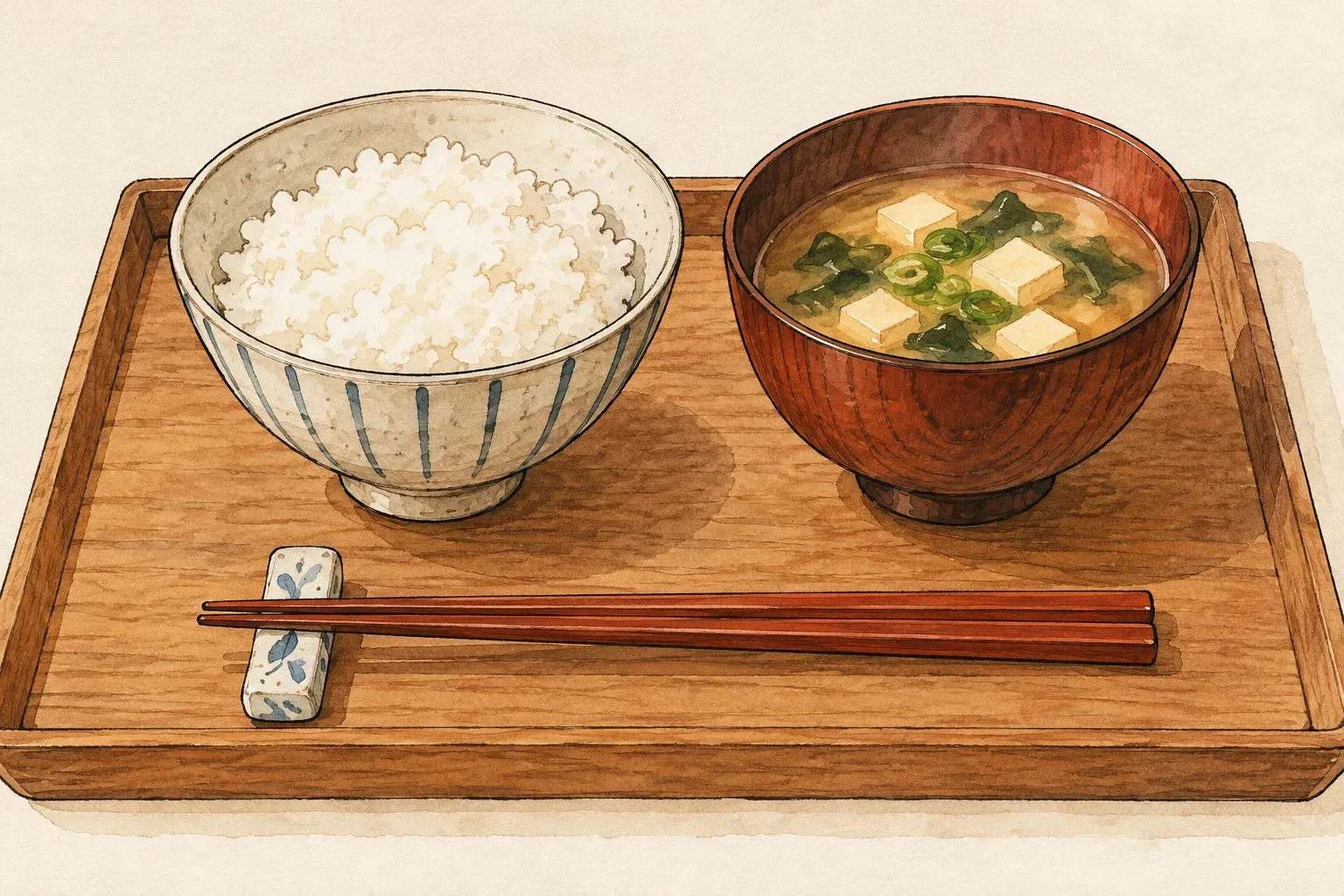
Photographed myself
No stock images. Every photo is one I took, on the day stated.
Fares with a date
Every price says when it was last checked, and gets rechecked.
Yen, converted
Shown as ¥1,200 (≈ €7 / $8), updated daily.
Column
What a guidebook will not tell you
The places locals quietly avoid, the everyday knowledge most Japanese people never had to learn, and the reasons behind both. Researched and sourced rather than photographed.
Latest columnChopsticks in Japan: why only chopsticks, the five moves called bad form, and what the official sources say about whyJapan eats with chopsticks alone, without spoons. Where that came from, the kinds of chopsticks, the five moves the farm ministry calls bad form, and why.Read the column
Food allergies and gluten in Japan: how often restaurants are asked, the official pictogram tools, and what “gluten-free” is notVegetarian and vegan in Japan: what the word leaves open, the 2022 national standards, and why kitchens differ shop by shopEating out with children in Japan: family restaurants, the okosama lunch, allergy labels, and what Japanese children eat at school
Three ways in
Latest
 EatGyūdon: the beef bowl from a fish market, and how the three big chains differ
 EatKatsudon: three origin claims, two ways to make it, and the towns where it means sauce
 EatGyoza: why Japan fries a dumpling China boils, what a plate costs, and what the town rivalry really measures
 EatHamamatsu gyoza: the wheel on the plate, the bean sprouts in the middle, and the survey it now leads
 EatUtsunomiya gyoza: a town brand built on a statistic, and what the plate costs there
 EatRamen: what it is, why a bowl costs what it does, and the lineages behind the word